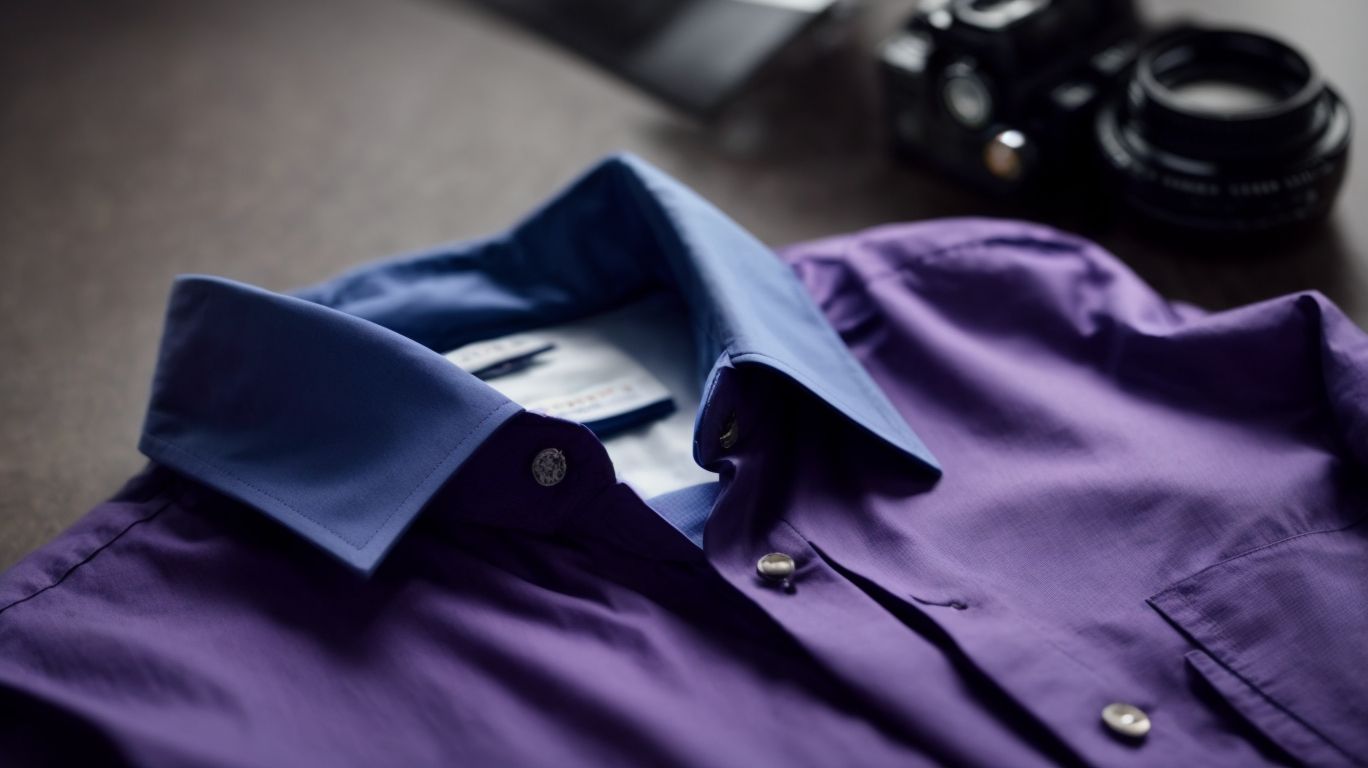
What goes with Violet-blue color shirt?
Are you looking to add a pop of color to your wardrobe with a violet-blue shirt but not sure how to style it?
Understanding the color wheel can help you create a balanced outfit that complements your skin tone and personal style.
Learn about analogous and complementary colors, tips on mixing prints and patterns, and how to rock a violet-blue shirt with confidence.
Explore the world of color harmony and fashion with us!
Key Takeaways:
Understanding the Color Wheel
Understanding the Color Wheel is essential for creating harmonious and visually appealing color combinations. The Color Wheel is a tool that organizes colors based on their relationships and helps in identifying complementary and analogous colors.
In the Color Wheel, primary colors are the building blocks from which all other colors are created: red, blue, and yellow. When primary colors are mixed, they produce secondary colors like green, orange, and purple.
Tertiary colors are formed by mixing a primary color with a neighboring secondary color. These colors offer a wide range of shades and hues to work with in design projects.
Understanding these color groupings is crucial in color theory as they lay the foundation for creating visually appealing compositions and conveying specific moods or messages.
Primary Colors
Primary Colors are the foundational hues in the Color Wheel, consisting of red, blue, and yellow. These colors serve as the base for all other colors and cannot be created by mixing other hues.
Red, blue, and yellow are considered primary because they are pure colors that cannot be made by mixing any other hues. When these three colors are combined in various ways, they give rise to all other colors in the spectrum.
Red, known for its vibrancy and warmth, is associated with energy and passion, evoking strong emotions when used in design. Blue, on the other hand, conveys tranquility and calmness, often used to create a sense of serenity in spaces. Yellow, representing joy and optimism, adds brightness and cheerfulness to any composition.
Secondary Colors
Secondary Colors are created by mixing two primary colors together. Examples of Secondary Colors include purple (blue + red), green (blue + yellow), and orange (red + yellow).
Secondary Colors play a vital role in the color wheel, offering a diverse palette for various applications. The blending of primary hues to form secondary shades opens up a plethora of possibilities in art, design, and fashion.
- Purple is often associated with royalty and luxury, making it a popular choice in evening wear and accessories. Pairing a deep purple dress with navy blue shoes can create a sophisticated and elegant look.
- Green symbolizes nature and freshness, making it a great option for casual wear. Mixing different shades of green with grey can result in a chic and modern ensemble.
- Orange radiates warmth and energy, perfect for statement pieces in outfits. Combining orange tones with whites or neutrals can add a vibrant touch to any look.
Tertiary Colors
Tertiary Colors are the result of mixing a primary color with a neighboring secondary color. Examples of Tertiary Colors include dark purple, lavender, burgundy, and maroon.
The formation of Tertiary Colors involves blending a primary hue with a secondary one, creating a diverse spectrum of shades that add depth and complexity to color palettes. These colors, like dark purple or maroon, offer a unique richness owing to their combination of primary and secondary elements. The intensity of tertiary shades can be adjusted by varying the proportions of the base colors, leading to a wide range of tones that can be both vibrant and subdued.
What Colors Go Well With Violet-Blue?
Exploring color combinations that complement Violet-Blue can elevate your outfit and create a stylish look.
Violet-Blue, being a unique shade, pairs well with specific color schemes to enhance its vibrancy. When creating an outfit with Violet-Blue, consider incorporating analogous colors like lavender and periwinkle to create a harmonious look. For a bolder style, opt for complementary colors such as golden yellows or coral pinks to make Violet-Blue stand out.
To achieve a more sophisticated and refined appearance, delve into monochromatic choices by pairing different shades of Violet-Blue together. This color adds a sense of mystery and elegance, making it a versatile option for both casual and formal outfits. Remember, fashion is a form of self-expression, and playing with colors like Violet-Blue allows you to showcase your unique style with confidence.
Analogous Colors
Analogous Colors are hues that are adjacent to each other on the Color Wheel.
For Violet-Blue, analogous colors such as green and lavender can create a harmonious and balanced ensemble. When paired together, these tones evoke a sense of nature and tranquility, providing a soothing visual experience. In the realm of fashion, combining green and orange with Violet-Blue can add depth and interest to an outfit, making a bold yet sophisticated statement. The compatibility of these analogous colors allows for effortless color coordination, enabling you to experiment with various shades and textures for a cohesive look.
Complementary Colors
Complementary Colors are positioned opposite each other on the Color Wheel, providing a striking contrast. Pairing Violet-Blue with complementary hues like burgundy or navy blue can create a bold and eye-catching outfit.
When these complementary shades are combined in an ensemble, the vibrant contrast between the colors elevates the overall look. For instance, imagine a stylish yellow shirt paired with a deep Violet-Blue skirt or trousers – the dynamic interplay between the warm and cool tones can add intrigue and sophistication to the outfit.
Understanding how complementary colors work together allows you to experiment with diverse color combinations confidently. By incorporating complementary shades skillfully, you can enhance the visual impact of your attire, making a style statement that is both captivating and harmonious.
Split-Complementary Colors
Split-Complementary Colors involve selecting a base color and then using the two hues adjacent to its complement. When styling a Violet-Blue outfit, incorporating split-complementary colors like a grey suit or a patterned dress can add depth and visual interest.
Choosing a grey suit as a complement to a Violet-Blue dress can create a sophisticated and balanced look, perfect for formal events or professional settings. The subtlety of grey enhances the vibrancy of the Violet-Blue, making it a standout choice without overpowering the overall ensemble.
Similarly, pairing a patterned dress featuring Violet-Blue with complementary colors like yellow-orange and yellow-green can create a striking and harmonious outfit. This combination showcases a blend of boldness and elegance, making a statement while maintaining a chic and polished appearance.
Tetradic Colors
Tetradic Colors involve choosing two sets of complementary colors on the Color Wheel. When creating formal outfits with a Violet-Blue base, incorporating tetradic color schemes can result in a sophisticated and coordinated look.
Tetradic colors are an essential concept in the realm of fashion and design, offering a harmonious blend of hues that aesthetically please the eye. By combining Violet-Blue with its tetradic counterparts, such as Yellow-Green and Red-Orange, you can achieve a balanced yet striking ensemble. This play of colors allows for depth and complexity in your outfit, adding layers of visual interest.
For instance, pairing a Violet-Blue dress with accessories in Yellow-Green and Red-Orange can elevate your look to a new level of elegance. The coordinated nature of tetradic colors ensures that your outfit exudes sophistication and class, making it perfect for formal events or professional settings.
Triadic Colors
Triadic Colors involve selecting three hues that are equidistant on the Color Wheel. Adding accessories in triadic colors like orange to a Violet-Blue outfit can introduce vibrancy and a pop of color to the overall look.
When accessorizing a Violet-Blue ensemble, incorporating shades of orange can create a striking contrast and elevate the outfit’s style quotient. Think of a burnt orange handbag or a pair of coral earrings to complement the cool tones of Violet-Blue. By including these complementary colors, you not only enhance the visual appeal but also demonstrate a keen sense of color coordination.
Monochromatic Colors
Monochromatic Colors involve variations of a single color by altering its saturation and brightness. Pairing Violet-Blue with monochromatic tones like grey or black in ties and suits can create a sophisticated and elegant ensemble.
Monochromatic color schemes offer a versatile approach to styling that exudes harmony and unity. By sticking to shades of a single color, such as Violet-Blue, one can effortlessly achieve a polished and cohesive look.
- Regarding formal wear, incorporating grey or black accents in accessories like ties and suits not only complements the richness of Violet-Blue but also adds a touch of refinement to the overall outfit.
- The subtle contrasts created by these monochromatic combinations elevate the attire, making it suitable for a variety of occasions, from business meetings to evening events.
How to Create a Balanced Outfit with a Violet-Blue Shirt?
Crafting a balanced outfit with a Violet-Blue shirt involves considering factors like skin tone, accessories, and color coordination. By following certain guidelines, you can style your Violet-Blue shirt to create a polished and cohesive look.
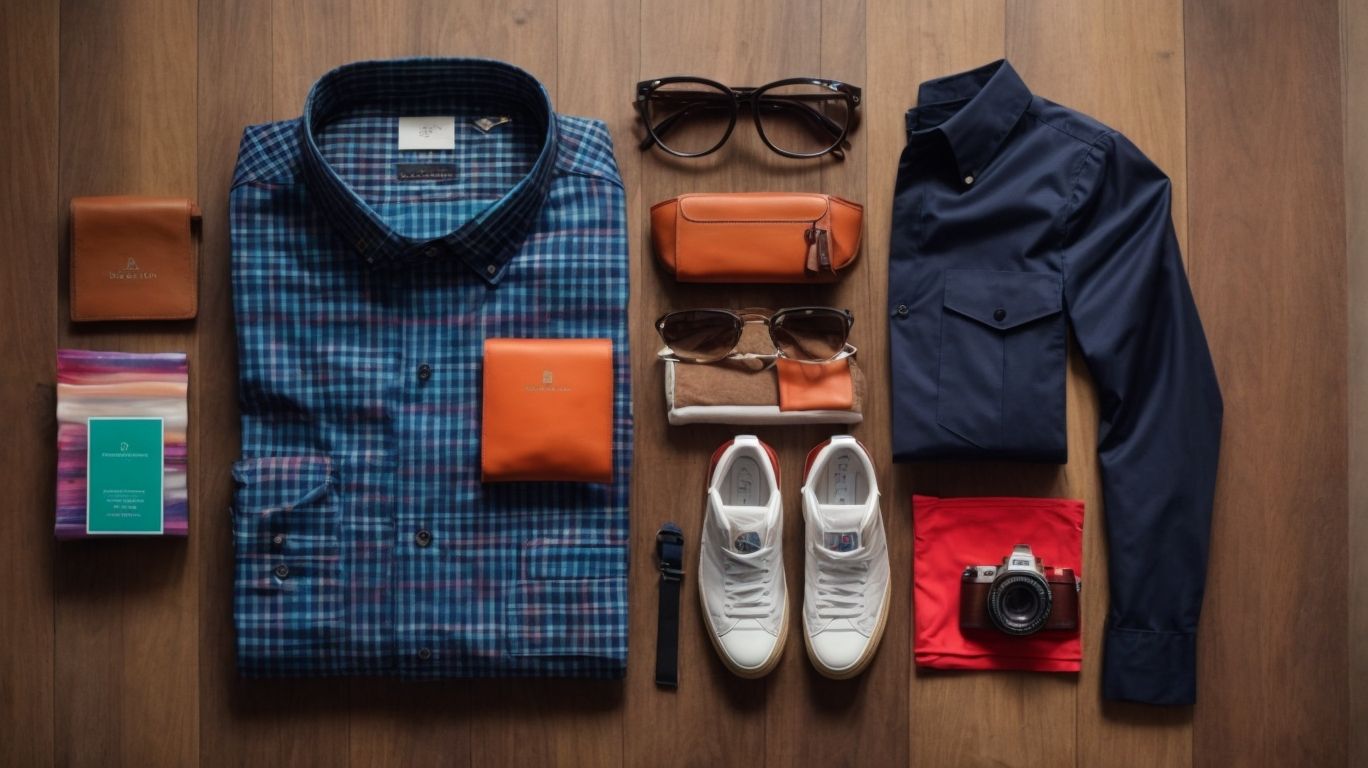
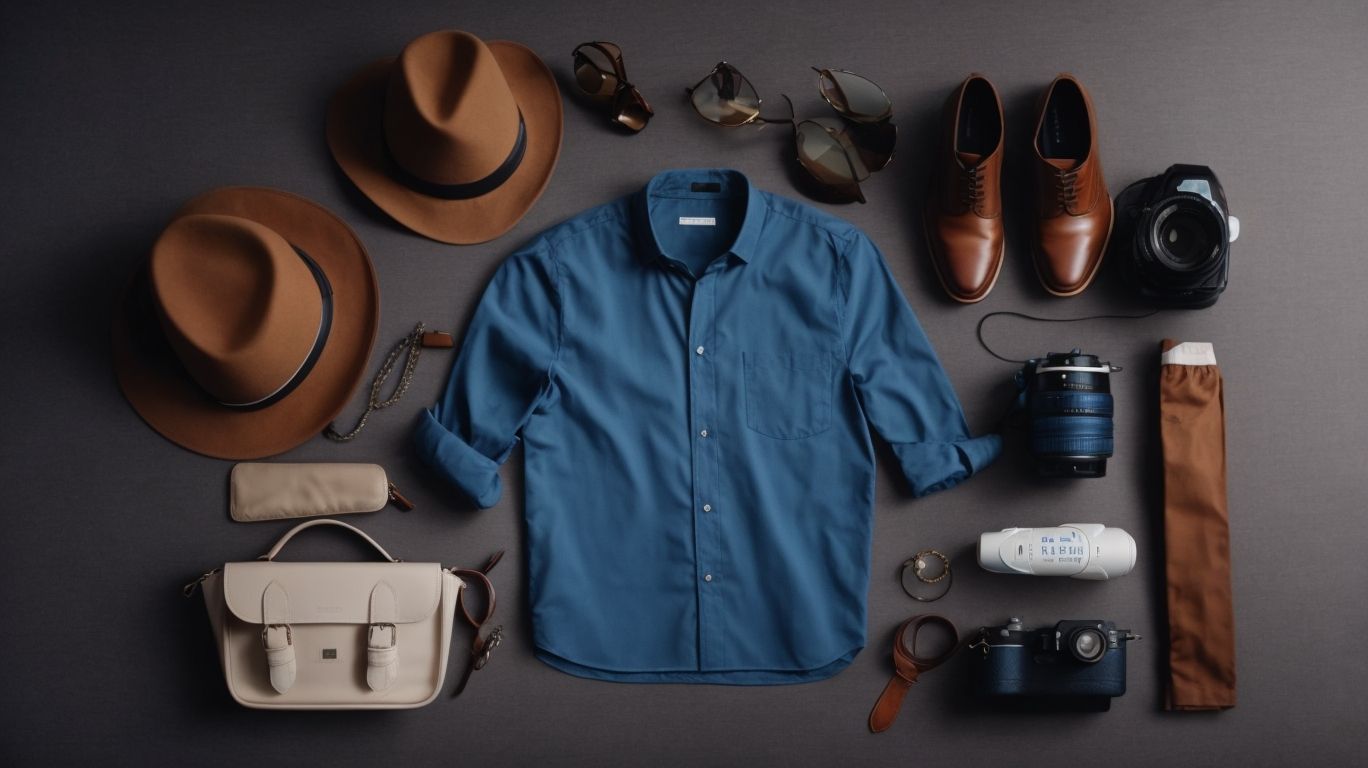
When selecting accessories, choose items that complement the Violet-Blue hue, such as silver or gold jewelry, a sleek belt, or a classic watch. Neutral colors like black, white, or grey provide a versatile base, allowing the shirt to stand out as the focal point. To introduce pops of color, consider pairing the shirt with vibrant accessories or layering it under a statement jacket. Mixing prints, like stripes or florals, can add depth and visual interest to your ensemble.
Consider Skin Tone
When creating an outfit with a Violet-Blue shirt, consider your skin tone to ensure the colors complement each other harmoniously. Skin tones ranging from beige to deeper shades like red, black, or white can influence the choice of complementary hues.
For individuals with a warmer skin tone, such as beige or red undertones, pairing a Violet-Blue shirt with earthy tones like olive green or mustard yellow can create a striking contrast while maintaining balance.
On the other hand, cooler skin tones, like those with hints of pink or blue undertones, may find that pairing Violet-Blue with crisp white or icy gray enhances their complexion and adds a fresh, modern twist to their look.
Pair with Neutral Colors
To balance a Violet-Blue shirt, consider pairing it with neutral colors like grey to create a versatile and sophisticated look. Neutral tones can act as a foundation for the outfit while allowing the Violet-Blue shirt to stand out.
Grey, with its understated elegance, serves as an ideal companion to Violet-Blue. When combining these hues, grey provides a calming backdrop that complements the vibrancy of Violet-Blue, making it a perfect choice for formal occasions. The marriage of Violet-Blue and grey is a classic yet modern one, striking a balance between tradition and contemporary style.
Add a Pop of Color
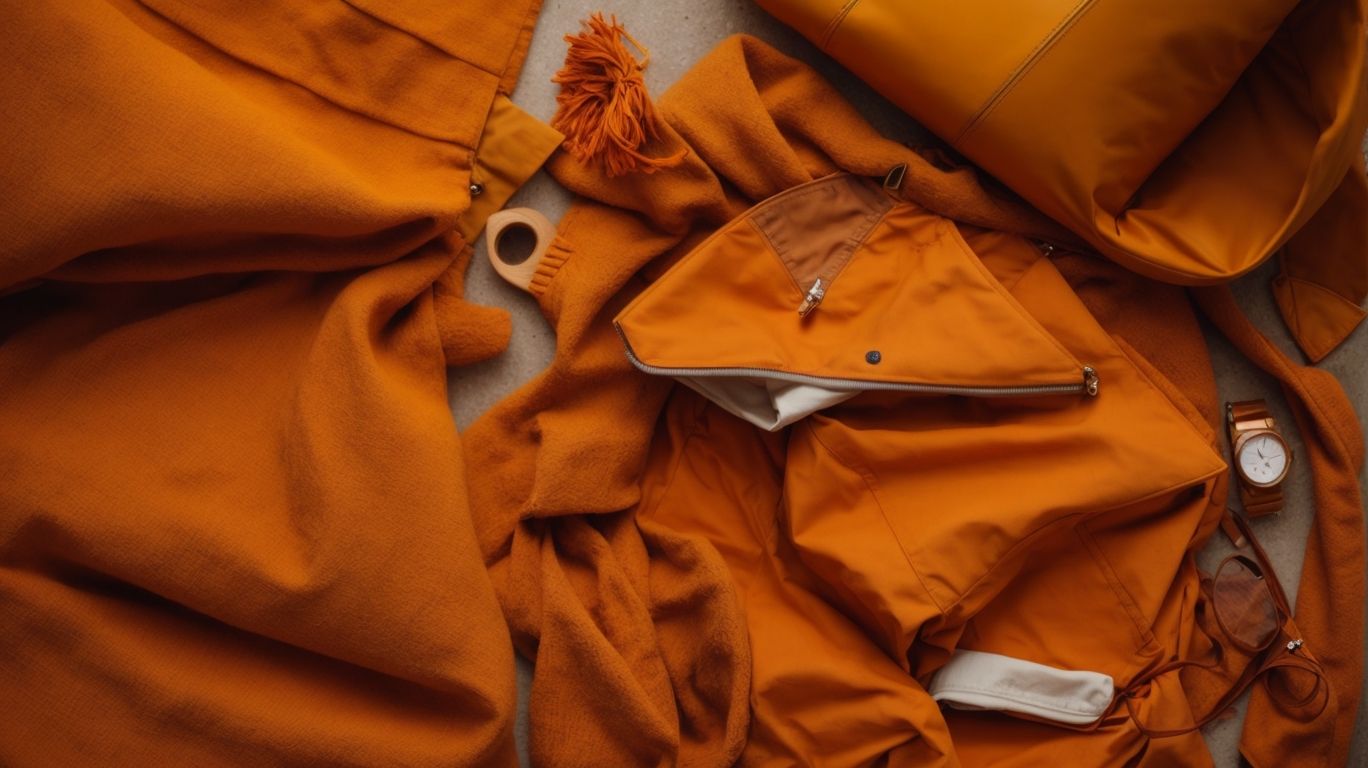
Introducing a pop of color like orange through ties or accessories can elevate the look of a Violet-Blue shirt outfit.
Orange, with its warm and energetic vibes, has the power to inject life into an outfit dominated by cool Violet-Blue hues. By strategically incorporating this vibrant shade in accessories such as ties or suits, you not only add a playful contrast but also bring a fresh and stylish dimension to your overall look.
The versatility of orange as a complementary color allows it to seamlessly blend with the cooler tones of Violet-Blue, creating a harmonious balance that catches the eye. Whether you opt for a subtle hint of orange in a pocket square or go bold with a bright tie, the impact of this color addition is undeniable.
Mix Prints and Patterns
Experimenting with mixing prints and patterns, such as burgundy or navy blue, can add depth and visual intrigue to an outfit featuring a Violet-Blue shirt. Incorporating varying textures and designs can create a unique and stylish look.
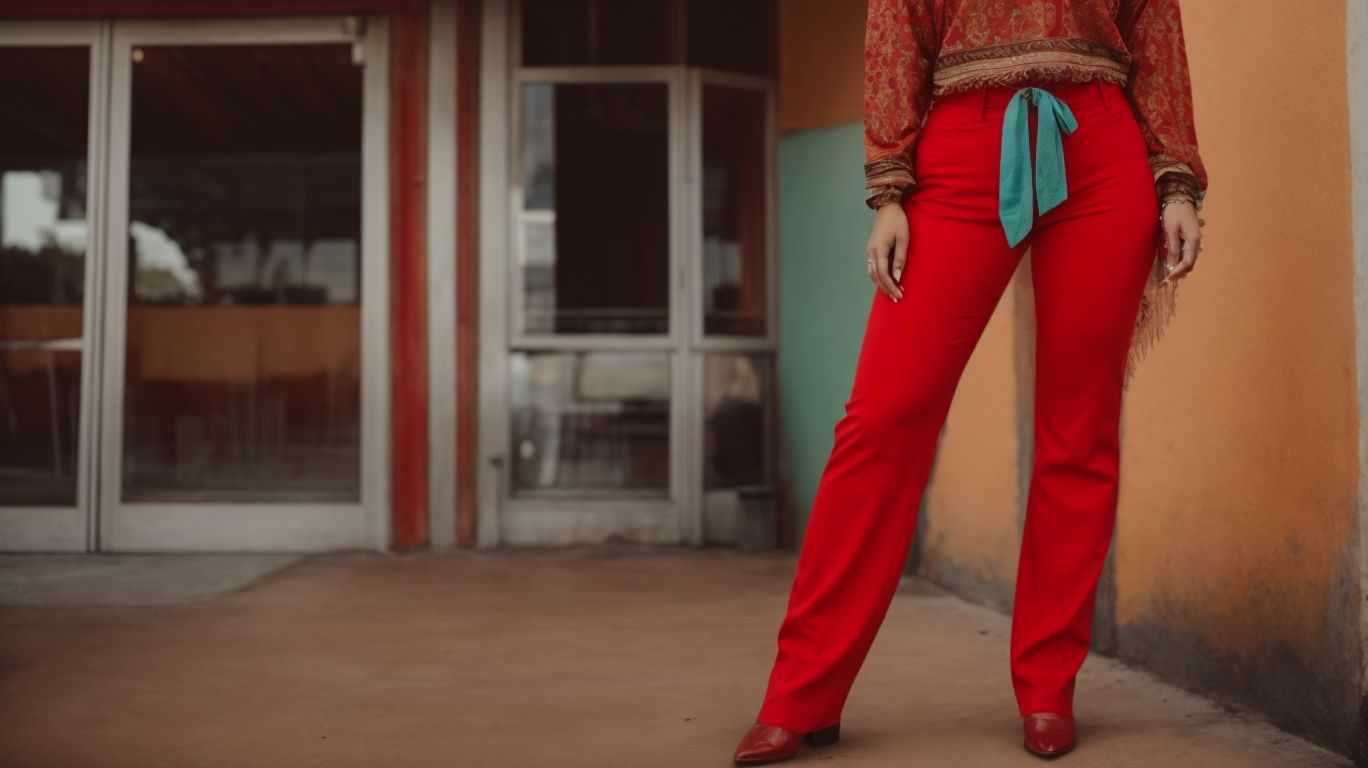
For a bold statement, consider pairing your Violet-Blue shirt with a burgundy floral skirt or trousers in a complementary hue. This juxtaposition of colors and patterns will make a striking impression.
Alternatively, mix and match your shirt with a navy blue geometric-print blazer for a more structured yet contemporary ensemble. The interplay of different patterns adds dimension and interest to your overall appearance.
Don’t be afraid to experiment with accessories like a polka dot scarf or striped shoes to further elevate your outfit. Mixing diverse patterns in tasteful combinations showcases your fashion flair and sets you apart from the crowd.
Accessorize with Metallics
Accessorizing with metallics can add a touch of elegance and glamour to a Violet-Blue shirt ensemble. Whether it’s gold accents inspired by Prince’s style or silver tones reminiscent of LA Lakers colors, metallic accessories can elevate the outfit.
Gold and silver accessories, such as statement necklaces or chunky bracelets, can perfectly complement the rich hue of the Violet-Blue shirt. The gleam of metallic embellishments catches the light, adding a hint of luxury to the overall look. Drawing from iconic figures like Prince, incorporating metallic details offers a nod to fashion history while keeping your style contemporary and chic.
Frequently Asked Questions
What goes with Violet-blue color shirt?
There are a few different color combinations that would work well with a violet-blue shirt, depending on the look you’re going for. Some options include pairing it with neutrals like black, white, or gray, or adding a pop of color with shades of pink or purple.
Can I wear a violet-blue shirt with other shades of blue?
Absolutely! Violet-blue and other shades of blue are complementary colors, so they can create a bold and eye-catching look when paired together. Just be sure to vary the shades so they don’t blend together too much.
What accessories should I wear with a violet-blue shirt?
When it comes to accessories, the options are endless! For a classic look, stick with silver or gold jewelry. For a more playful vibe, try adding a statement necklace or colorful scarf. And don’t forget a matching handbag or shoes to tie the whole outfit together.
Is it okay to wear prints with a violet-blue shirt?
Absolutely! The key to successfully wearing prints with a violet-blue shirt is to make sure the colors in the print complement the shirt. For example, a floral print with shades of pink and purple would look great with a violet-blue shirt.
Can I wear a violet-blue shirt to the office?
Yes, a violet-blue shirt can be work-appropriate as long as it’s paired with the right pieces. Stick with tailored pants or a pencil skirt in a neutral color, and add a blazer for a polished look. Avoid any overly bold or revealing pieces to maintain a professional appearance.
What colors should I avoid wearing with a violet-blue shirt?
While there are many colors that can work well with a violet-blue shirt, there are a few to avoid to prevent a clash. These include bright orange, yellow, and green, as well as shades of blue that are too similar in tone. Stick with complementary or neutral colors for a well-balanced look.